grantrish's pick · Updated June 2026
The Psychology of Money: Timeless lessons on wealth
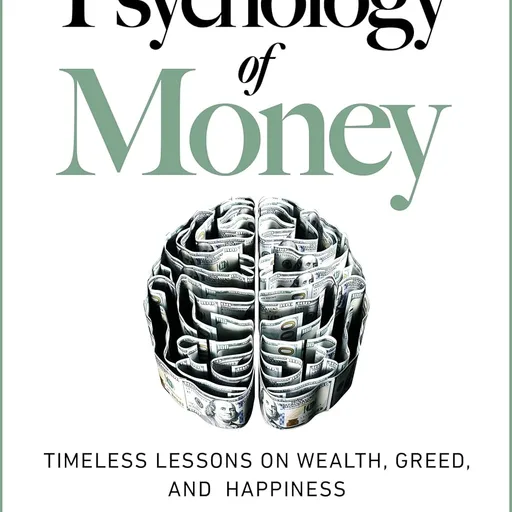
I keep coming back to books like this when I want a better handle on money without feeling talked down to. This is the kind of book I would hand to someone who earns a living, saves when they can, and knows there is more to money than spreadsheets and stock tips. If you are tired of finance advice that sounds like it was written for people who already have everything figured out, this one feels more human.
What I like most is that it treats money like a behavior problem as much as a math problem. That matters. A lot of books tell you what to do with your money and then act surprised when real people do not live like robots. This one spends more time on why people make the choices they make, and that makes the advice easier to remember when you actually need it. I think that is why it sticks. The ideas are simple enough to keep in your head, but they are not shallow.
It also does a good job of making the big picture feel calm. Money can turn into a whole mess of guilt, comparison, and panic if you let it. This book pulls some of that noise out of the way and reminds you that wealth, greed, and happiness do not always move in a straight line. That is the real value for me. Not a magic trick. Not a get-rich promise. Just a clearer way to think about why people chase more, why they feel behind, and why having enough can matter more than looking rich.
I would say this is for people who are early in building a life, people who want to be smarter with what they already earn, and people who are trying to stop making emotional money decisions. It is also good for anyone who has already read the usual personal finance books and wants something with a little more perspective. It works well as a first serious money book because it is readable, but it also works if you already know the basics and want the thinking behind them.
The one thing I would note is that it is more about mindset than step-by-step action. If someone wants a strict budget template or a detailed investing manual, this is not really that book. It gives you the frame, not the spreadsheet. That is fine with me, but it is worth knowing before you buy it. You may finish it feeling more thoughtful than tactical.
I like books that make me slow down and rethink things I thought I already understood, and this one does that without sounding preachy. I also appreciate that it reads like a person trying to explain real life instead of a lecture trying to sound important. That makes it easier to return to later, which is usually the sign I got something useful out of a book in the first place.
If you want a money book that is practical in a quiet way, this is a good one to keep around. It is the sort of book I would recommend to someone who wants better habits, better judgment, and a less frantic relationship with money. It does not try to impress you. It just leaves you thinking a little differently, which is often the part that matters most.
Amazon product links on this guide are not currently affiliate links. Neither grantrish nor Buyer Field Guide earns an affiliate commission from them.
See current price